
Microplastic and macroplastic pollution of the oceansSpec D4.2.10
In short
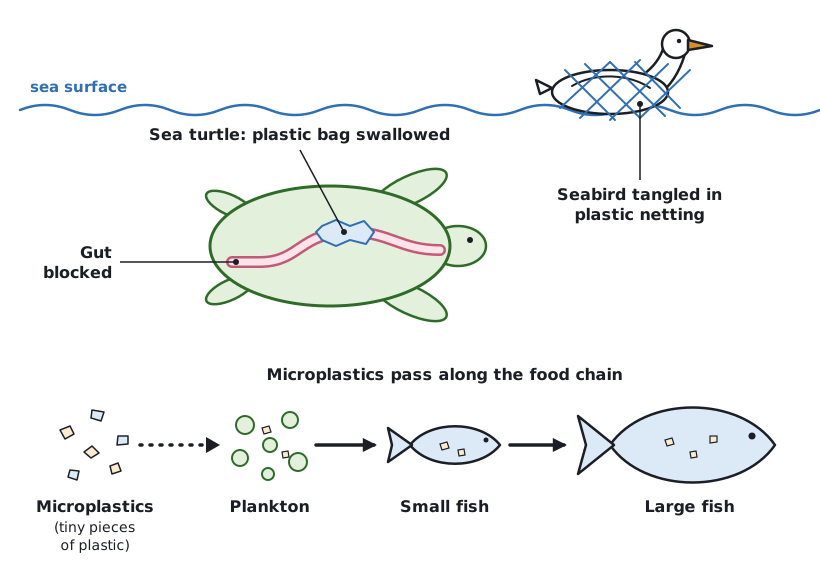
Plastics are persistent in the natural environment because they are non-biodegradable. Macroplastics, such as bags and fishing nets, entangle marine animals and are swallowed, blocking guts. They break into microplastics, under 5 mm, which are eaten by plankton and filter feeders and pass along food chains. Media coverage of these effects changed public behaviour.
Most plastics are non-biodegradable: decomposers do not have enzymes to break them down. So plastics are persistent in the natural environment for decades or longer. Sunlight and waves break large pieces into smaller ones.
| Type | Examples | Effects on marine life |
|---|---|---|
| Macroplastic (larger pieces) | Bags, bottles, packaging, lost fishing nets | Entanglement of seals, turtles and seabirds, causing drowning or injury; sea turtles swallow bags mistaken for jellyfish; albatross chicks are fed plastic, which fills their stomachs and causes starvation. |
| Microplastic (pieces under 5 mm) | Fragments of larger plastic, fibres from clothing | Eaten by zooplankton, filter feeders such as mussels, and fish; passed along food chains; can carry toxic chemicals that stick to their surfaces. |
 (opens full size in a new tab)
Nature of science: scientists can influence citizens by giving clear information. Popular media coverage of plastic harming marine life changed public perception globally and drove measures such as bans on single-use bags and microbeads.
Written and checked against the IB Biology HL specification · Updated October 2026