
Epigenesis, the transcriptome and epigenetic tagsSpec D2.2.4, D2.2.5, D2.2.6
In short
Epigenesis is the development of patterns of differentiation in the cells of a multicellular organism. Every cell has the same genome, but each expresses only some genes, so transcriptomes and proteomes differ. Epigenetic tags such as methylation of cytosine in promoters and of histones change gene expression and phenotype without altering the base sequence.
Epigenesis is the development of patterns of differentiation in the cells of a multicellular organism. A zygote divides to form cells that become specialised in different ways: muscle, nerve, skin. All these cells have the same DNA. What differs is which genes are switched on.
Epigenetic changes do not alter the DNA base sequence. So they alter the phenotype of a cell, but not its genotype.
Genome, transcriptome and proteome
| Term | Meaning | Same in all cells of an organism? |
|---|---|---|
| Genome | All of the genetic information (DNA) of the cell | Yes (almost always) |
| Transcriptome | All the RNA molecules transcribed in the cell at a given time | No: depends on which genes are being transcribed |
| Proteome | All the proteins produced by the cell at a given time | No: depends on which mRNAs are translated |
No cell expresses all of its genes. The pattern of gene expression in a cell determines how it differentiates. A red blood cell precursor transcribes the haemoglobin genes, for example, but not the genes for the digestive enzymes made in the pancreas.
Methylation as an epigenetic tag
- DNA methylation: methyl groups are added to cytosine bases in the DNA of a promoter. This represses transcription, so the gene downstream is not expressed.
- Histone methylation: DNA is wound around histones in nucleosomes. Methyl groups added to amino acids in the histones can cause transcription to be repressed or activated, depending on which amino acid is methylated.
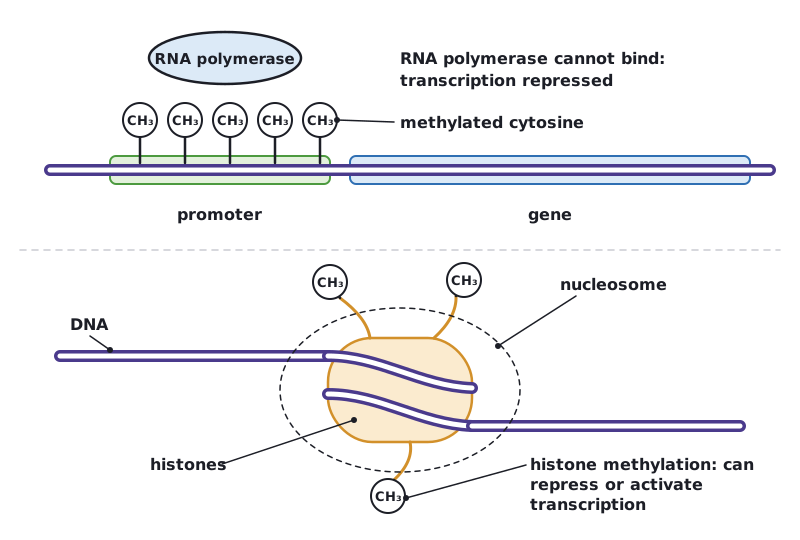 (opens full size in a new tab)
Methylation does not change a base into another base or change the sequence. The base is still cytosine; it just carries a methyl tag.
Written and checked against the IB Biology HL specification · Updated October 2026