
How Mycobacterium tuberculosis and HIV cause diseaseSpec 6.6
In short
Mycobacterium tuberculosis is inhaled, taken into macrophages in the lungs and survives there, forming tubercles that can break down and damage the lungs. HIV infects helper T cells using reverse transcriptase, destroying them, so the immune system fails and opportunistic infections can kill.
Tuberculosis (TB)
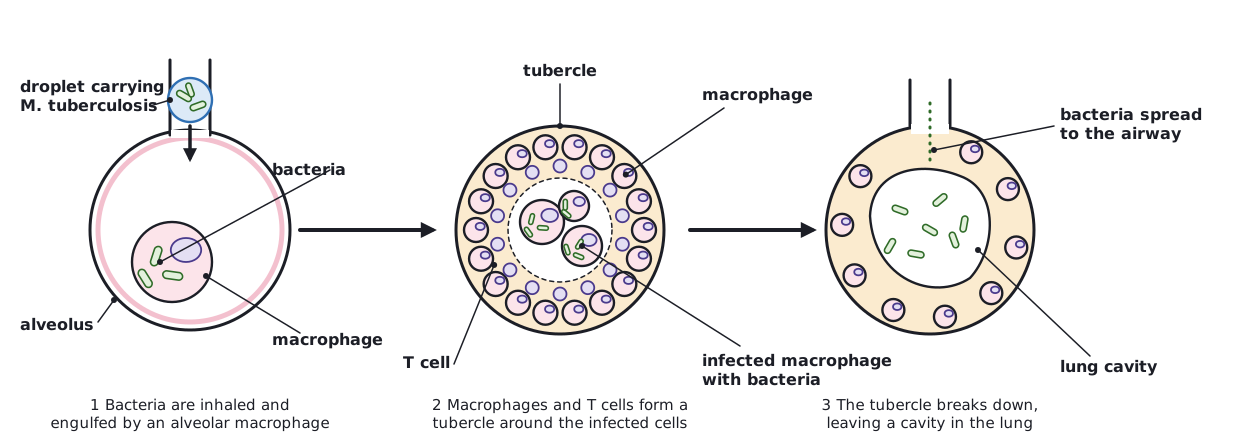
TB is caused by the bacterium Mycobacterium tuberculosis. It is spread in droplets coughed out by an infected person and breathed in. The bacteria reach the alveoli and are engulfed by macrophages. The bacterium has a thick, waxy cell wall and prevents the lysosomes fusing with the phagosome, so it is not digested and multiplies slowly inside the macrophage.
- Bacteria in droplets are inhaled and reach the alveoli of the lung.
- Macrophages engulf them but cannot destroy them; the bacteria multiply inside the macrophages.
- The immune system responds: macrophages and T cells gather round the infected cells and form a ball of cells and dead tissue called a tubercle, which walls off the bacteria. Most people have no symptoms at this stage (latent TB).
- If the immune system is weakened (for example by HIV, malnutrition or age), the bacteria multiply, the tubercle breaks down and spreads to other parts of the lung. Lung tissue is destroyed, leaving cavities.
- Symptoms include a persistent cough with blood-stained sputum, weight loss, fever and night sweats. Without treatment, lung function fails and the infection can spread through the blood, causing death.
HIV and AIDS
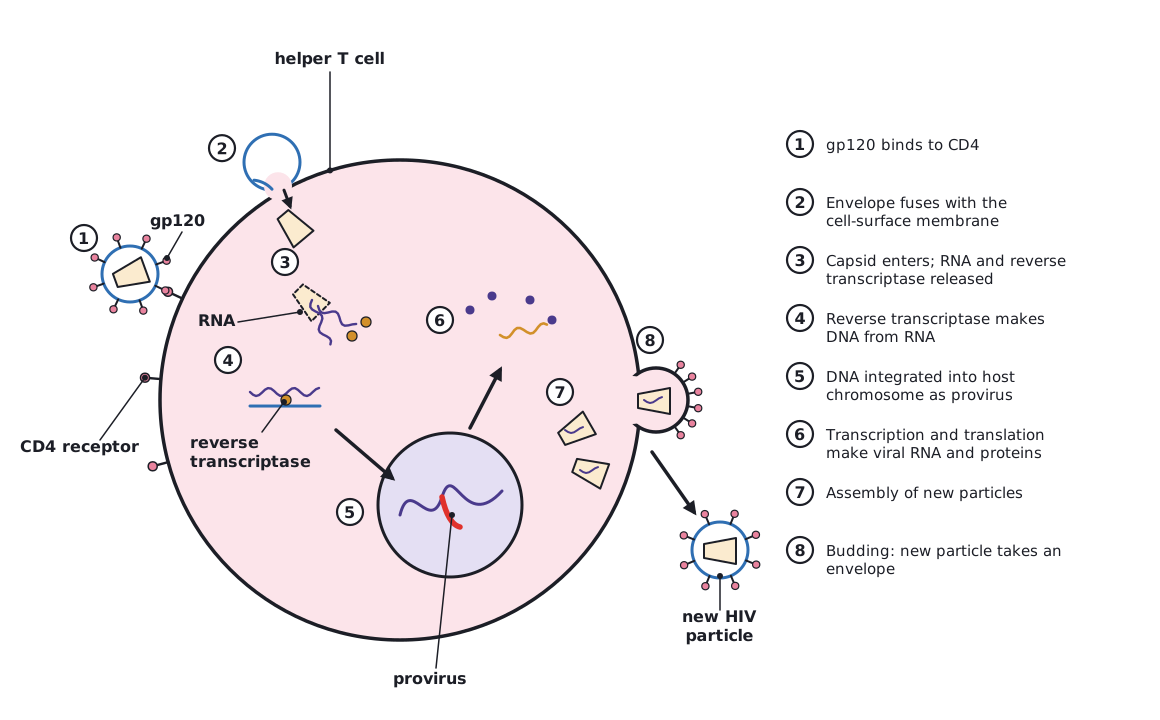
The human immunodeficiency virus (HIV) is spread by exchange of body fluids (sexual contact, blood, mother to child). It infects helper T cells (and some macrophages), which carry the CD4 receptor.
- A glycoprotein on the HIV envelope (gp120) binds to the CD4 receptor on the helper T cell.
- The viral envelope fuses with the cell-surface membrane and the capsid enters the cytoplasm.
- The capsid breaks down, releasing RNA and the enzyme reverse transcriptase. This makes a DNA copy of the RNA, and the DNA is inserted into the host chromosome by the enzyme integrase as a provirus (latency).
- When the cell is activated, the host's enzymes transcribe the proviral DNA to make viral RNA and proteins, which are assembled into new virus particles.
- New particles bud off from the cell-surface membrane, taking a piece as their envelope. Large numbers of virus particles are released and the T cell dies.
Helper T cells are essential for activating B cells and killer T cells. As HIV destroys them, the number of helper T cells falls and the person develops AIDS (acquired immune deficiency syndrome): they lose the ability to fight infections and some cancers. Death usually results from opportunistic infections such as TB, pneumonia or a cancer, rather than from HIV directly. HIV makes people far more likely to develop active TB, and TB is a leading cause of death in people with HIV.
 (opens full size in a new tab)
 (opens full size in a new tab)
A 'describe how HIV causes death' answer needs the chain: infects helper T cells, destroys them, fewer B and killer T cells activated, immune system fails, death from opportunistic infection.
Written and checked against the Edexcel International A Level Biology (YBI11) specification · Updated October 2026