
AtherosclerosisSpec 1.10
In short
Atherosclerosis is the build-up of fatty plaques (atheromas) in artery walls. It begins with damage to the endothelium, followed by an inflammatory response in which white blood cells take up cholesterol and a plaque forms. The artery narrows and stiffens, which raises blood pressure and causes further endothelial damage.
Cardiovascular disease (CVD) is the name for diseases of the heart and blood vessels, including coronary heart disease, strokes and high blood pressure. The most common underlying process is atherosclerosis.
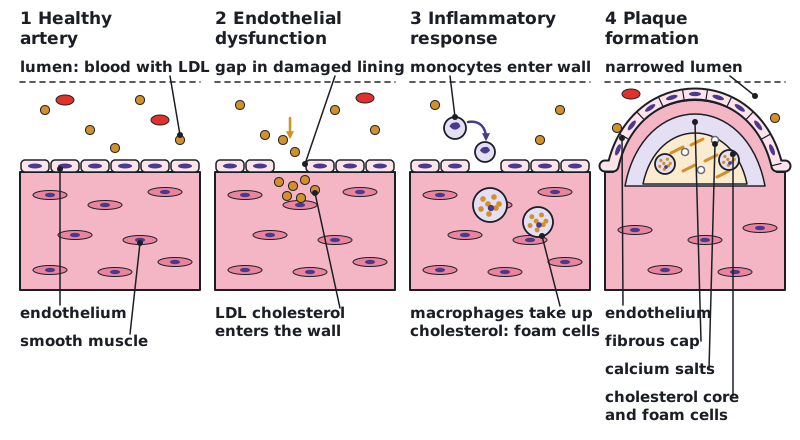
- Endothelial dysfunction: the endothelium (inner lining of the artery) is damaged, for example by high blood pressure, chemicals in tobacco smoke or high blood glucose. The damaged lining becomes more permeable, and LDL cholesterol from the blood enters the artery wall.
- Inflammatory response: the damaged tissue attracts white blood cells (monocytes). They enter the wall, become macrophages and take up the cholesterol, forming foam cells. They release chemicals that attract more white blood cells.
- Plaque formation: foam cells, cholesterol, dead cells, and smooth muscle cells that have moved into the area build up as an atheroma (plaque). Fibres and calcium salts are deposited, forming a hardened cap over the plaque.
- The plaque makes the lumen narrower and the artery wall less elastic. Blood flow is reduced and blood pressure rises.
- Raised blood pressure damages the endothelium further, so the process speeds up (a positive feedback).
 (opens full size in a new tab)
Reduced blood flow means less oxygen reaches the tissue supplied by the artery. In a coronary artery this can cause chest pain (angina). A plaque can also rupture, exposing the artery wall to the blood and triggering blood clotting (see the next section).
Learn the four named stages in order: endothelial dysfunction, inflammatory response, plaque formation, raised blood pressure. Say that raised blood pressure both results from and causes more damage.
Written and checked against the Edexcel International A Level Biology (YBI11) specification · Updated October 2026