
A balanced diet and the main nutrientsSpec 7.1.1, 7.1.2
In short
A balanced diet contains all the nutrients the body needs, in the correct proportions, and gives the right amount of energy for the person. Carbohydrates and fats provide energy, proteins are needed for growth and repair, calcium makes bones and teeth, iron makes haemoglobin, and fibre provides bulk so the gut muscles can push food along.
A balanced diet contains all the nutrients the body needs, in the correct proportions, and gives the right amount of energy for the person. The amount of energy needed depends on age, sex and how active the person is.
You need to know the main source of each nutrient and why the body needs it. Vitamins are limited to C and D, and mineral ions are limited to calcium and iron.
| Nutrient | Main dietary sources | Importance in the body |
|---|---|---|
| Carbohydrates | Bread, rice, pasta, potatoes | Provide energy |
| Fats and oils | Butter, cooking oils, fatty meat, nuts | Provide energy, act as an energy store and give insulation (keeping the body warm) |
| Proteins | Meat, fish, eggs, beans | Growth and repair of tissues |
| Vitamin C | Citrus fruits, fresh fruit and vegetables | Needed for healthy skin and gums; prevents scurvy |
| Vitamin D | Oily fish, eggs, margarine (also made in the skin in sunlight) | Helps the body absorb calcium, so bones and teeth are hard; prevents rickets |
| Calcium | Milk, cheese, yoghurt | Making bones and teeth |
| Iron | Red meat, liver, green leafy vegetables | Making haemoglobin in red blood cells |
| Fibre (roughage) | Wholemeal bread, fruit, vegetables | Provides bulk for the muscles of the gut to push food along, which helps prevent constipation |
| Water | Drinks and most foods | Needed as a solvent and for the reactions in cells; forms the blood plasma, sweat and urine |
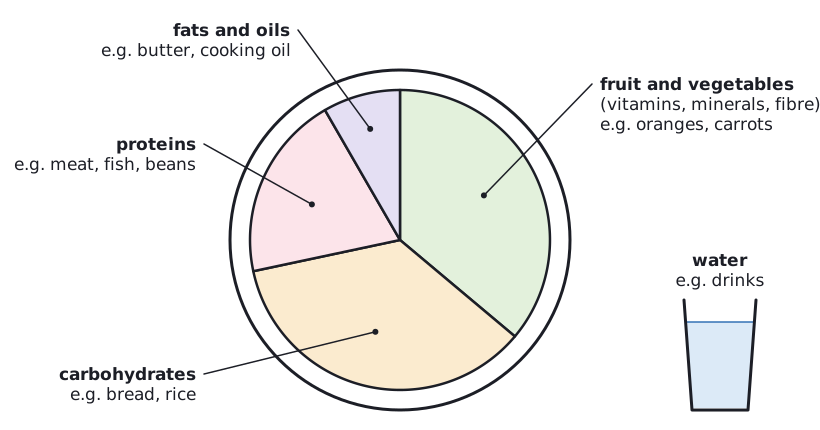 (opens full size in a new tab)
Do not say fibre 'gives energy' or is digested. Fibre is not digested by humans; it adds bulk to the food.
Give a specific use, not just 'for health'. Write 'iron for making haemoglobin' or 'calcium for strong bones and teeth'.
Written and checked against the Cambridge IGCSE Biology (0610) specification · Updated October 2026