
The male and female reproductive systemsSpec 16.4.1, 16.4.2
In short
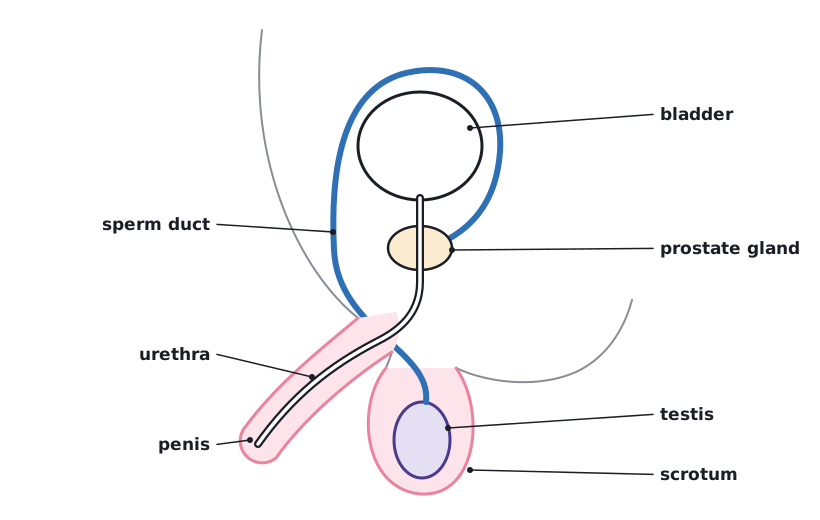
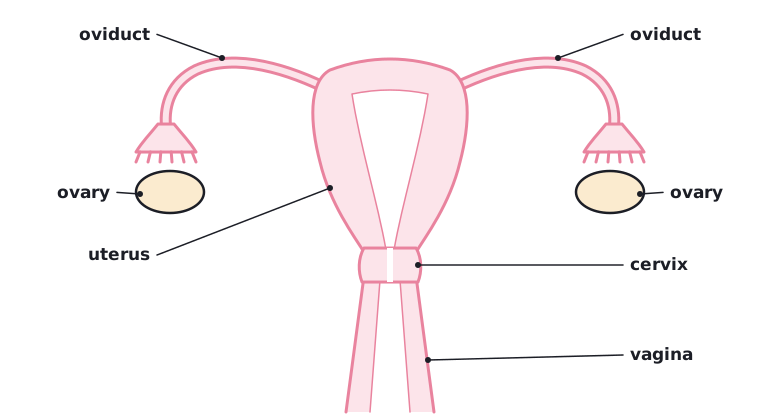
The male reproductive system makes and delivers sperm: the testes make sperm, the sperm ducts carry them to the urethra, the prostate gland adds fluid to make semen, and the penis places sperm in the vagina. In the female system, the ovaries release eggs, the oviducts carry them to the uterus, and the fetus develops in the uterus.
Humans reproduce sexually. The male system makes and delivers sperm. The female system makes egg cells, receives the sperm and carries the developing baby.
The male reproductive system
| Part | Function |
|---|---|
| Testes | Make sperm (and the hormone testosterone) |
| Scrotum | Bag of skin that holds the testes outside the body, where it is cooler than body temperature |
| Sperm ducts | Tubes that carry sperm from the testes to the urethra |
| Prostate gland | Adds fluid to the sperm to make semen, which helps the sperm to swim and gives them nutrients |
| Urethra | Tube inside the penis that carries semen (and urine) out of the body |
| Penis | Places sperm inside the vagina during sexual intercourse |
 (opens full size in a new tab)
The female reproductive system
| Part | Function |
|---|---|
| Ovaries | Make and release egg cells (and the hormones oestrogen and progesterone) |
| Oviducts | Tubes that carry the egg cell to the uterus. Fertilisation usually happens here |
| Uterus | Muscular organ with a soft lining, where the embryo implants and the fetus develops |
| Cervix | Ring of muscle at the opening of the uterus that keeps the fetus in during pregnancy |
| Vagina | Receives the penis and the sperm during sexual intercourse. The baby passes through it at birth |
 (opens full size in a new tab)
Do not mix up the oviduct (carries the egg) and the sperm duct (carries sperm). Do not mix up the urethra and the ureter either. The ureter is part of the urinary system.
Written and checked against the Cambridge IGCSE Biology (0610) specification · Updated October 2026