
Methane, carbon dioxide and climate changeSpec 20.3.3
In short
The enhanced greenhouse effect is the extra heating caused when human activities increase the concentrations of carbon dioxide and methane, so more infrared radiation is trapped in the atmosphere. Carbon dioxide comes from burning fossil fuels and forests; methane comes from cattle, rice paddy fields and landfill. This causes global warming and climate change, such as rising sea level.
| Gas | Sources |
|---|---|
| Carbon dioxide | Burning fossil fuels (in vehicles, power stations and homes); burning forests; respiration of decomposers when trees decay |
| Methane | Cattle and other livestock (from digestion); rice paddy fields; decomposition of waste in landfill sites |
The enhanced greenhouse effect
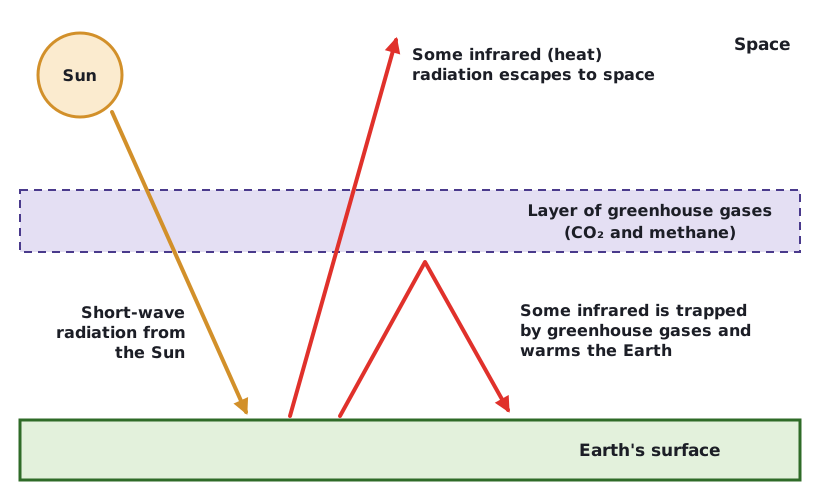
- Short-wave radiation from the Sun passes through the atmosphere and warms the Earth's surface.
- The Earth re-radiates this energy as infrared (heat) radiation.
- Greenhouse gases such as carbon dioxide and methane trap some of this infrared radiation in the atmosphere, which keeps the Earth warm. This is the natural greenhouse effect.
- Human activities have increased the concentrations of carbon dioxide and methane, so more heat is trapped. This is the enhanced greenhouse effect.
The average temperature of the Earth rises (global warming). This leads to climate change. Effects include melting ice caps and rising sea level, changes to rainfall and weather, and loss of habitats, so some species may become endangered or extinct.
 (opens full size in a new tab)
The greenhouse effect is not caused by a hole in the ozone layer. These are separate issues.
Quick check
Why does excess fertiliser harm rivers and lakes?
Show answer
Nitrates cause rapid growth of algae and water plants, which can lead to eutrophication and the death of other organisms.
Why do non-biodegradable plastics last so long?
Show answer
Microorganisms cannot break them down.
Name two sources of methane.
Show answer
Cattle (livestock); rice paddy fields; landfill sites.
What is the enhanced greenhouse effect?
Show answer
Extra heat trapped in the atmosphere because human activity has raised carbon dioxide and methane levels.
Written and checked against the Cambridge IGCSE Biology (0610) specification · Updated October 2026