

Non-biodegradable plasticsSpec 20.3.2
Plastics are non-biodegradable: microorganisms cannot break them down, so they stay in the environment for a very long time. Plastics are widely used for packaging and are often thrown away carelessly.
| Ecosystem | Effects |
|---|---|
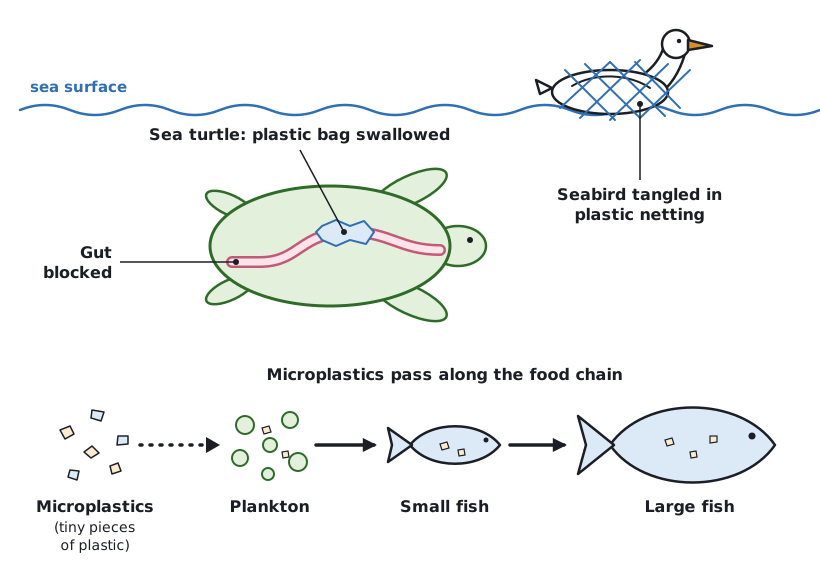
| Aquatic (rivers, seas) | Animals such as turtles, seabirds and fish swallow plastic, which can block their digestive system so they starve; animals become tangled in plastic and drown or cannot move; plastic breaks into tiny pieces that enter food chains |
| Terrestrial (land) | Plastic waste in landfill takes up space and does not rot; animals eat plastic or become trapped in it; plastic can build up in soil and may release harmful chemicals; plastic waste can block drains and watercourses |
 (opens full size in a new tab)
Exam tip:
Always link the plastic to a specific harm: 'blocks the gut' or 'entangles the animal', not just 'it harms animals'.