

MitosisSpec 17.2.1, 17.2.2, 17.2.3, 17.2.4
- Mitosis
- Nuclear division giving rise to genetically identical cells.
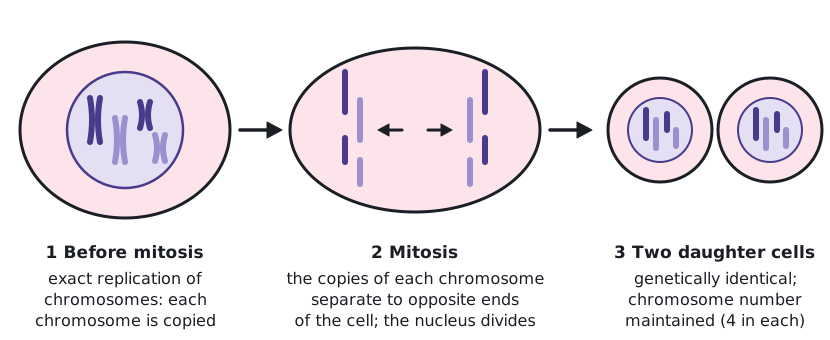
Before a cell divides by mitosis, the chromosomes are copied. The exact replication of chromosomes occurs before mitosis, so each chromosome is made of two identical copies. During mitosis the copies of chromosomes separate, and one copy goes into each new nucleus. This maintains the chromosome number in each daughter cell.
 (opens full size in a new tab)
The two daughter cells have the same number of chromosomes and the same genes as the parent cell. A diploid cell divides to make two diploid cells.
The role of mitosis
| Role | Explanation |
|---|---|
| Growth | more cells are made so that the organism gets bigger |
| Repair of damaged tissues | new cells replace those that are damaged |
| Replacement of cells | cells such as skin cells are lost and replaced all the time |
| Asexual reproduction | one parent makes offspring that are genetically identical to it |
Exam tip:
Use the phrase 'genetically identical' for mitosis. You do not need the names of the stages of mitosis.