
How the heart pumps bloodSpec 9.2.8, 9.2.10
In short
The heart pumps blood when the atria contract, pushing blood through the atrioventricular valves into the ventricles, and then the ventricles contract, forcing blood into the aorta and pulmonary artery through the semilunar valves. Valves shut to stop backflow. The left ventricle wall is thicker because it pumps blood at high pressure all around the body.
Thickness of the muscle walls
| Comparison | Explanation |
|---|---|
| Left ventricle wall is thicker than right ventricle wall | The left ventricle pumps blood all around the body, so it must produce a high pressure. The right ventricle pumps blood only to the nearby lungs, at lower pressure that does not damage the lung capillaries |
| Atria walls are thinner than ventricle walls | The atria only push blood a short distance into the ventricles. The ventricles must push blood out of the heart and to the lungs or body |
The pumping action
- Blood flows into the atria from the veins. The atria contract and push blood through the open atrioventricular valves into the ventricles.
- The ventricles contract. Pressure rises, the atrioventricular valves shut (stopping blood flowing back into the atria) and the semilunar valves open.
- Blood is forced out of the ventricles into the aorta and pulmonary artery.
- The ventricles relax. The semilunar valves shut, which stops blood flowing back into the ventricles. The atria fill again.
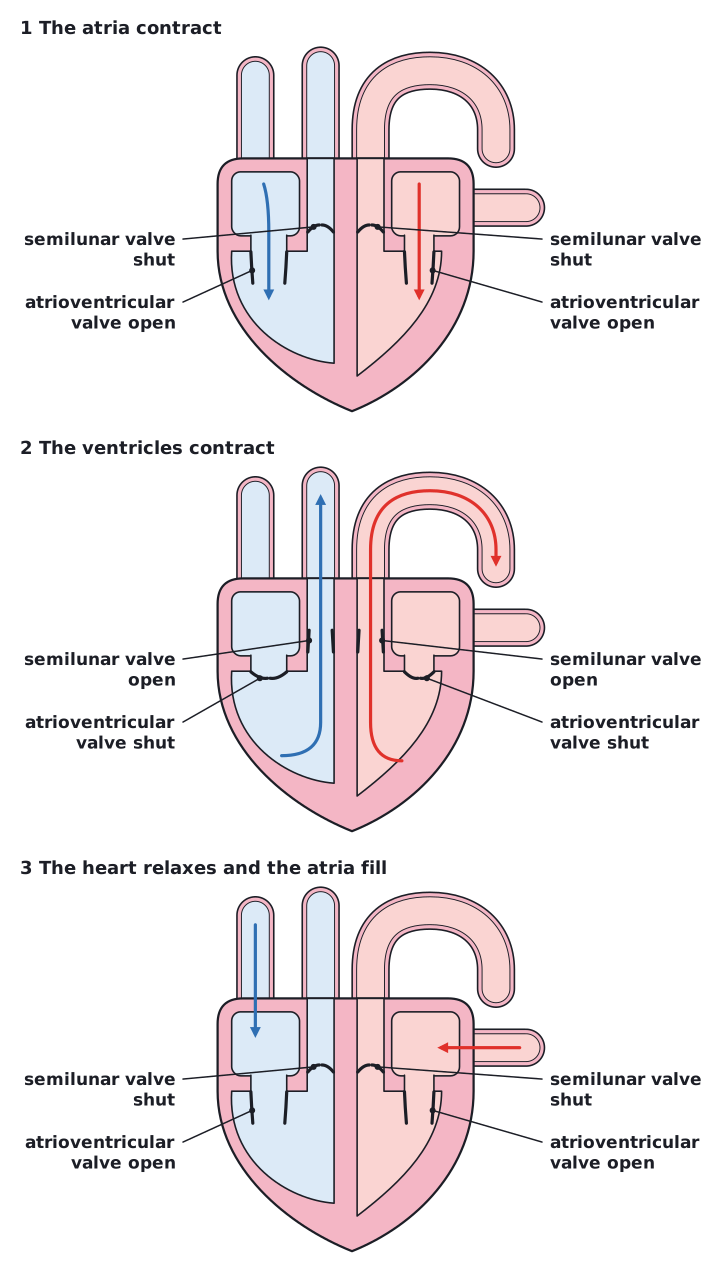 (opens full size in a new tab)
Exam tip:
The valves open and shut because of the pressure of the blood, not because the valves can contract. Say which valve and which way the blood is pushed.
Written and checked against the Cambridge IGCSE Biology (0610) specification · Updated October 2026