
The carbon cycle, carbon sinks and combustionSpec C4.2.17, C4.2.18, C4.2.19
In short
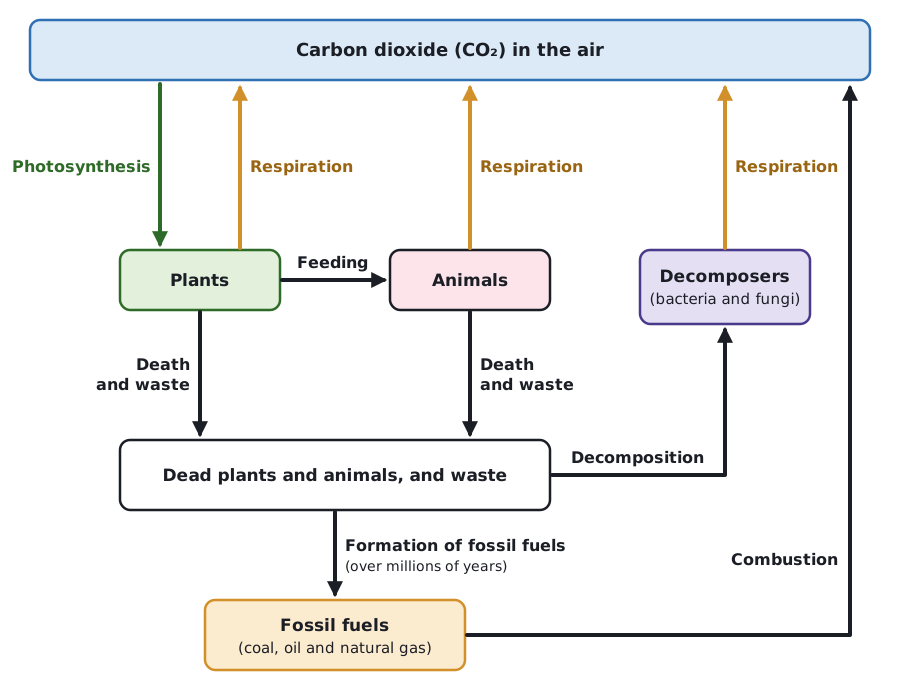
Carbon is recycled in ecosystems by photosynthesis, feeding and respiration. An ecosystem is a carbon sink if photosynthesis exceeds respiration, giving a net uptake of carbon dioxide, and a carbon source if respiration exceeds photosynthesis. Combustion of biomass, peat, coal, oil and natural gas releases carbon dioxide; human activities have greatly increased combustion rates.
Carbon cycle diagrams
- Photosynthesis: autotrophs fix CO₂ from the air (or dissolved in water) into carbon compounds.
- Feeding: carbon compounds pass to consumers when they eat.
- Death and egestion: carbon compounds in dead organisms and faeces pass to decomposers.
- Respiration: producers, consumers and decomposers oxidise carbon compounds, releasing CO₂.
- Combustion: burning biomass and fossil fuels releases CO₂.
 (opens full size in a new tab)
Sinks and sources
If photosynthesis exceeds respiration, an ecosystem has a net uptake of CO₂ and is a carbon sink (a growing forest, an expanding peat bog). If respiration exceeds photosynthesis, there is a net release of CO₂ and it is a carbon source (a drained peatland where peat now decomposes).
Combustion
| Store | How and when it formed |
|---|---|
| Biomass (wood, crops) | Recent: from photosynthesis over years to centuries |
| Peat | Partly decomposed plant matter in waterlogged, acidic, anaerobic bogs, building up over thousands of years |
| Coal | Buried plant remains compressed over hundreds of millions of years, much of it from the Carboniferous period |
| Oil and natural gas | Remains of marine plankton buried in sediments and transformed by heat and pressure over millions of years |
Combustion sometimes happens naturally, for example when lightning strikes start forest or peat fires, but human activities have greatly increased combustion rates, through burning fossil fuels and clearing forests by fire.
Written and checked against the IB Biology SL specification · Updated October 2026