
Ecological niche and tolerance of oxygenSpec B4.2.1, B4.2.2
In short
An ecological niche is the role of a species in an ecosystem, including all the biotic and abiotic interactions that influence its growth, survival and reproduction and how it obtains food. Tolerance of oxygen is part of a niche: obligate anaerobes are poisoned by oxygen, facultative anaerobes grow with or without it, and obligate aerobes need it.
An ecological niche is the role of a species in an ecosystem. It includes all the biotic interactions (food, predators, competitors, parasites, mutualists) and abiotic interactions (temperature, water, oxygen, light) that influence the growth, survival and reproduction of the species, including how it obtains food.
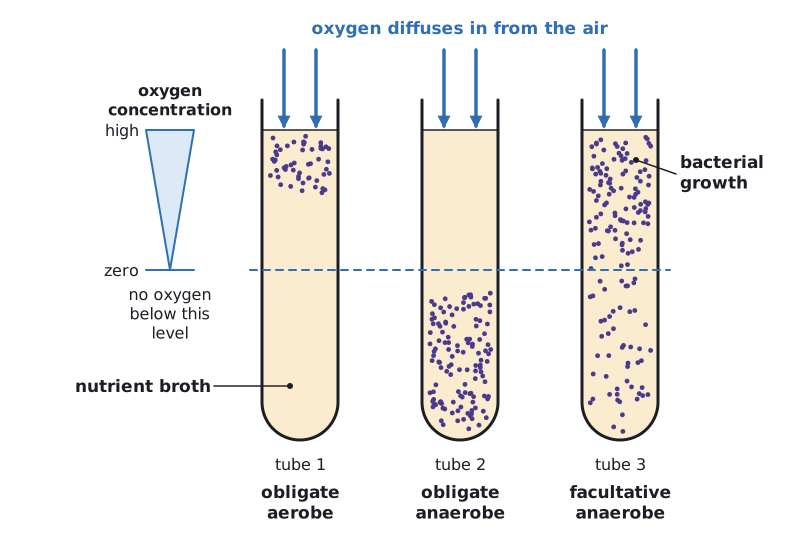
One abiotic part of a niche is whether a species can live with or without oxygen gas. Organisms fall into three groups.
| Group | Tolerance of oxygen | Where found / example |
|---|---|---|
| Obligate anaerobe | Cannot survive in the presence of oxygen; oxygen is toxic to them | Anoxic sediments, deep soil, the gut; e.g. Clostridium bacteria |
| Facultative anaerobe | Can live with or without oxygen; respires aerobically when it is present and anaerobically when it is absent | Wide range of habitats; e.g. yeast (Saccharomyces cerevisiae), Escherichia coli |
| Obligate aerobe | Cannot survive without oxygen; needs it for aerobic respiration | Oxygenated air, water and soil; e.g. most animals and plants |
 (opens full size in a new tab)
Facultative means "optional", obligate means "must". A facultative anaerobe does not need to avoid oxygen; it simply copes without it.
Written and checked against the IB Biology SL specification · Updated October 2026