
Terrestrial biomesSpec B4.1.6, B4.1.7
In short
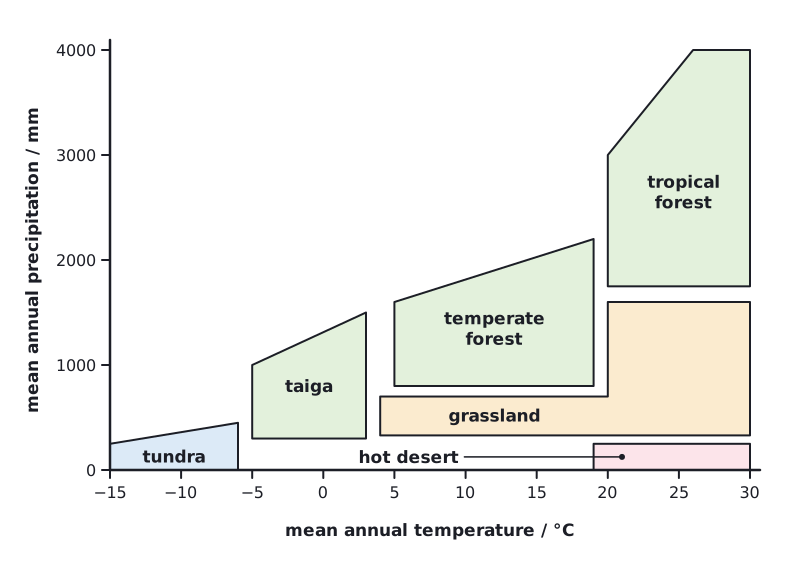
A biome is a group of ecosystems with similar communities due to similar abiotic conditions and convergent evolution. Temperature and rainfall are the abiotic factors that determine terrestrial biome distribution: for any given pattern of the two, one natural ecosystem type is likely to develop, such as tropical forest where it is hot and wet all year.
Abiotic factors are the determinants of terrestrial biome distribution. The two most important are temperature and rainfall. For any given temperature and rainfall pattern, one natural ecosystem type is likely to develop.
 (opens full size in a new tab)
A biome is a group of ecosystems with similar communities due to similar abiotic conditions and convergent evolution. Unrelated species in different continents face the same selection pressures, so they evolve similar adaptations. For example, cacti in American deserts and spurges (Euphorbia) in African deserts are not closely related, yet both have water-storing green stems, spines and reduced leaves.
| Biome | Temperature | Rainfall |
|---|---|---|
| Tropical forest | High all year (monthly means about 25–27 °C), little seasonal change | Very high (often over 2000 mm per year), spread through the year |
| Temperate forest | Warm summers and cool to cold winters; clear seasons | Moderate (roughly 750–1500 mm), through the year |
| Taiga (boreal forest) | Long, very cold winters; short, cool summers | Low to moderate, much falling as snow |
| Grassland | Warm to hot summers; temperate grasslands have cold winters | Low to moderate, with a dry season; too dry for forest |
| Tundra | Very cold, below 0 °C for most of the year; permafrost | Very low (often under 250 mm), short growing season |
| Hot desert | Very hot by day, cool at night: large daily range | Very low (under 250 mm), unpredictable |
A biome is not a single ecosystem. It is a group of ecosystems in different places that share similar communities because their climate is similar.
Written and checked against the IB Biology SL specification · Updated October 2026