
Genotype, environment and epigeneticsSpec 3.20
In short
Phenotype is the result of the interaction between genotype and the environment. Epigenetic modifications change gene activity without changing the DNA base sequence. DNA methylation (adding methyl groups to DNA) and histone modification (such as acetylation) switch genes on or off, and the pattern can be passed on to daughter cells after cell division.
The phenotype of an organism, its observable characteristics, is the result of an interaction between its genotype and the environment. Genes provide the potential, and the environment affects how it is expressed. Examples: height depends on genes and on nutrition; hydrangea flowers are pink or blue depending on the acidity of the soil; a plant grown in the dark has the genes for chlorophyll but is yellow; identical twins are genetically identical, but become different through different diets and lifestyles.
Epigenetic modification
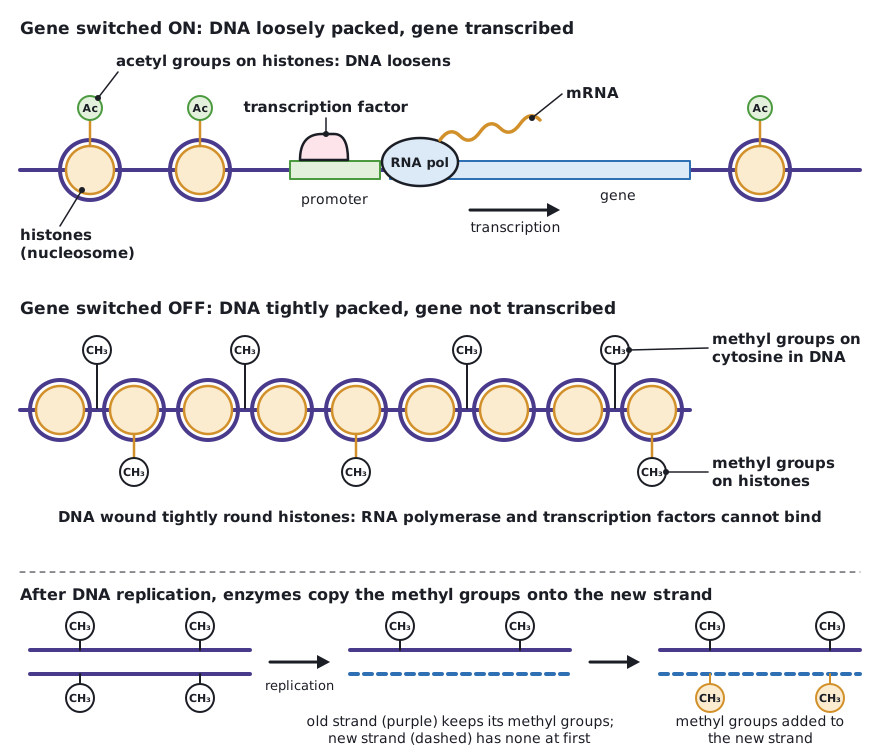
Epigenetic modifications are chemical changes to DNA or to the histone proteins around which it is wound. They change whether a gene is activated (transcribed) without changing the sequence of bases.
- DNA methylation: methyl groups (CH₃) are added to cytosine bases in DNA. This usually stops transcription factors and RNA polymerase binding, so the gene is switched off (silenced).
- Histone modification: chemical groups are added to or removed from histones. Acetylation loosens the DNA from the histones, so the gene can be transcribed (activated). Deacetylation (and some kinds of histone methylation) makes the DNA wind more tightly, so the gene is not transcribed (switched off). Histone methylation can activate or repress a gene depending on where the methyl group is added.
The environment (for example diet, stress or smoking) can change the pattern of epigenetic marks. The epigenetic changes can be passed on following cell division: after DNA is replicated, enzymes copy the methylation pattern onto the new strand, so daughter cells keep the same genes switched on or off. This is how a differentiated cell passes its pattern of gene expression on to its descendants.
 (opens full size in a new tab)
Epigenetic modification does not change the base sequence of DNA. Say that it changes gene activity (transcription), and that this is different from a mutation.
Written and checked against the Edexcel International AS Level Biology (XBI11) specification · Updated October 2026