
Blood clotting and cardiovascular diseaseSpec 1.11
In short
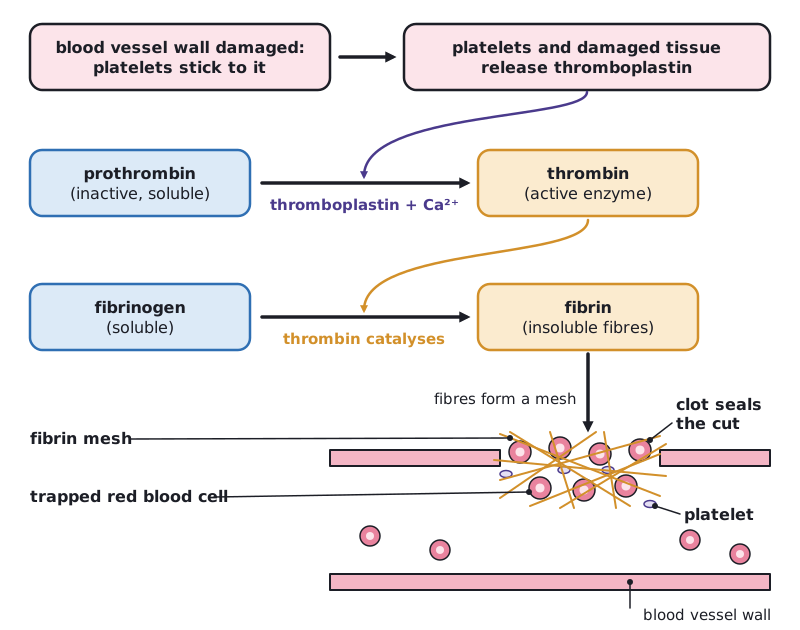
Blood clotting is a series of enzyme-controlled steps. Damaged tissue and platelets release thromboplastin, which catalyses the conversion of prothrombin to thrombin. Thrombin converts soluble fibrinogen to insoluble fibrin fibres that form a mesh trapping blood cells. A clot on a ruptured plaque can block an artery and cause a heart attack or stroke.
When a blood vessel is damaged, platelets stick to the damaged surface and release chemicals. Platelets and the damaged tissue release thromboplastin (a clotting factor). This starts a cascade of reactions.
- Thromboplastin (with calcium ions) catalyses the conversion of the inactive plasma protein prothrombin to the enzyme thrombin.
- Thrombin catalyses the conversion of soluble fibrinogen to insoluble fibrin.
- Fibrin forms long fibres that make a mesh. The mesh traps red blood cells and platelets, forming a clot that seals the damage and stops blood loss.
 (opens full size in a new tab)
Role in cardiovascular disease
- A plaque can rupture and expose the artery wall. Clotting is triggered and a thrombus forms on the plaque, blocking a narrowed artery.
- If the blocked artery is a coronary artery, the cardiac muscle supplied is starved of oxygen and glucose, cannot respire aerobically and dies. This is a myocardial infarction (heart attack).
- If the blocked artery supplies the brain, the result is a stroke.
- A clot can also break away and travel in the blood (an embolus) until it lodges in a narrower vessel.
Fibrinogen is soluble and fibrin is insoluble, and thrombin is an enzyme made from inactive prothrombin. Do not swap these pairs, and keep the order: thromboplastin, prothrombin to thrombin, fibrinogen to fibrin.
Written and checked against the Edexcel International AS Level Biology (XBI11) specification · Updated October 2026