
The cardiac cycleSpec 1.8
In short
The cardiac cycle is the sequence of events in one heartbeat: atrial systole, ventricular systole and cardiac diastole. Contraction of a chamber raises its pressure and forces blood into the next chamber or artery. Valves open and close passively as pressure differences change, so blood flows in only one direction.
Systole is contraction. Diastole is relaxation. The cycle repeats about 70 times a minute at rest. Valves have no muscle: they open when pressure behind them is higher than in front, and shut when pressure in front is higher.
- Atrial systole: the atria contract. Atrial pressure is higher than ventricular pressure, so the atrioventricular valves are open and the last of the blood is pushed into the ventricles. The semilunar valves are shut.
- Ventricular systole: the ventricles contract. Ventricular pressure rises above atrial pressure, so the atrioventricular valves shut (the first heart sound). When ventricular pressure exceeds the pressure in the aorta and pulmonary artery, the semilunar valves open and blood is forced out into the arteries.
- Cardiac diastole: the ventricles relax and pressure falls. Arterial pressure is now higher, so the semilunar valves shut (the second heart sound). Blood from the vena cava and pulmonary veins flows into the relaxed atria. When ventricular pressure falls below atrial pressure, the atrioventricular valves open and blood flows into the ventricles.
| Stage | Atria | Ventricles | Atrioventricular valves | Semilunar valves |
|---|---|---|---|---|
| Atrial systole | Contract | Relaxed, filling | Open | Closed |
| Ventricular systole | Relaxed, filling | Contract | Closed | Open (once pressure exceeds arterial pressure) |
| Cardiac diastole | Relaxed, filling | Relaxed, filling | Open | Closed |
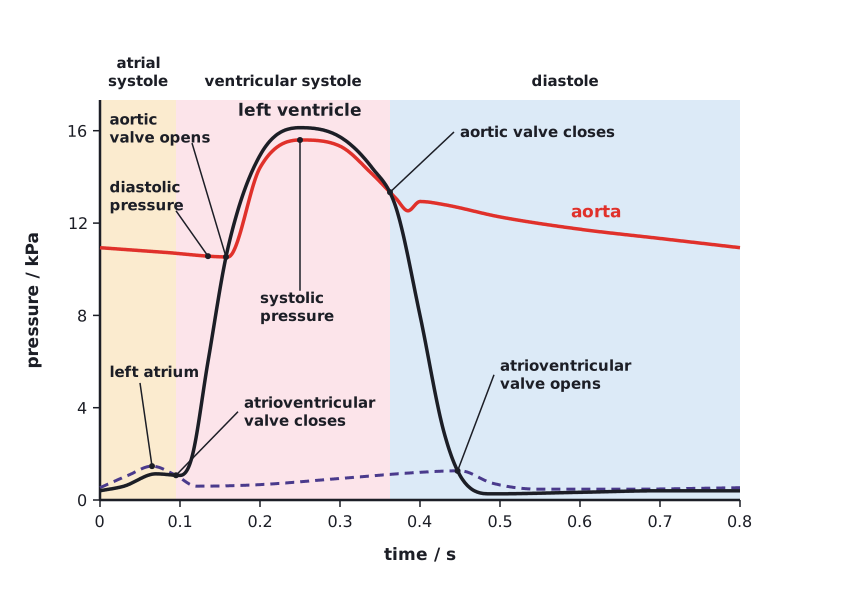 (opens full size in a new tab)
Length of the cardiac cycle
A person’s resting heart rate is 75 beats per minute. Calculate the time for one cardiac cycle.
- There are 60 seconds in a minute
- Time for one cycle = 60 ÷ heart rate = 60 ÷ 75
Answer: 0.8 s
When asked why a valve opens or closes, always compare the pressures on each side of it, and say which is higher. For example: 'ventricular pressure is higher than atrial pressure, so the atrioventricular valve shuts'.
Written and checked against the Edexcel International AS Level Biology (XBI11) specification · Updated October 2026