

Reflex arcsSpec 2.14
A reflex is a fast, automatic response to a stimulus that does not involve conscious thought. The pathway it follows is called a reflex arc. Reflexes protect the body from harm.
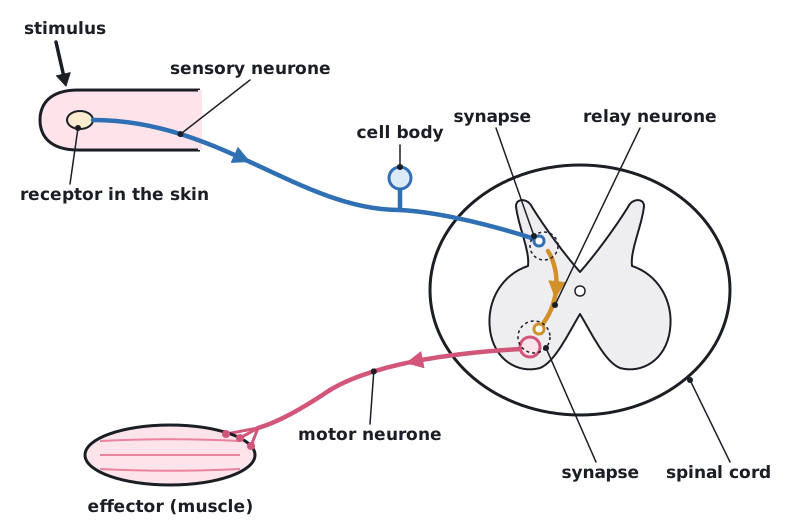
- The stimulus is detected by a receptor (for example, a pain receptor in the skin).
- A sensory neurone carries impulses to the CNS.
- At a synapse the impulses pass to a relay neurone in the CNS.
- At another synapse the impulses pass to a motor neurone.
- The motor neurone carries the impulses to an effector, such as a muscle.
- The effector produces a response, such as the muscle contracting to pull the hand away.
The impulses do not have to travel to the conscious part of the brain before the response, so the reflex is very fast.
 Tap to enlarge