

Thyroxine and negative feedbackSpec 7.3
Thyroxine is made by the thyroid gland. It controls metabolic rate, which is the rate of the chemical reactions in the body. Its level is kept steady by negative feedback.
- Negative feedback
- A change in a level causes a response that reverses the change and brings the level back to normal.
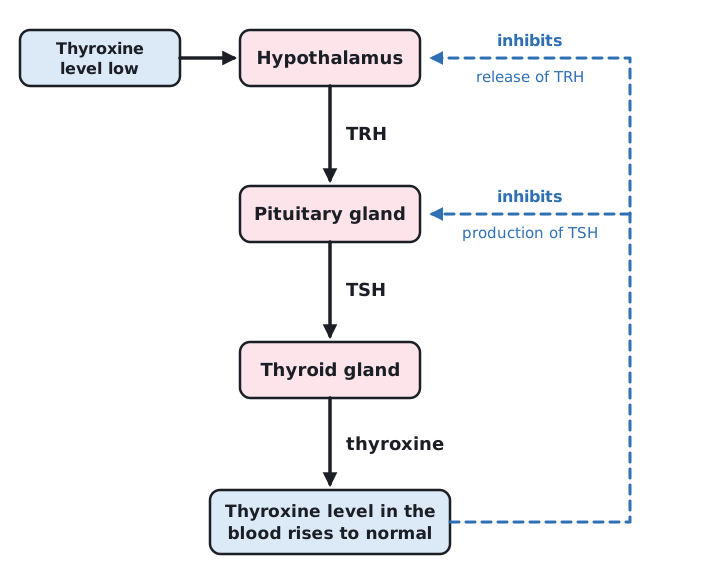
- A low level of thyroxine stimulates the hypothalamus to produce TRH.
- TRH causes the pituitary gland to release TSH.
- TSH acts on the thyroid gland to produce thyroxine.
- The thyroxine level rises back to normal.
- When the thyroxine level is normal, thyroxine inhibits the release of TRH and the production of TSH. This stops the level rising too far.
 Tap to enlarge
Quick check
How are hormones transported from endocrine glands to target organs?
Show answer
In the blood (plasma).
Which gland produces insulin?
Show answer
The pancreas.
Name the four effects of adrenalin. (Higher)
Show answer
Increased heart rate, increased blood pressure, increased blood flow to the muscles, and raised blood sugar level.
Which hormone does the pituitary release to make the thyroid produce thyroxine? (Higher)
Show answer
TSH.