

Sexual and asexual reproductionSpec 4.6.1.1
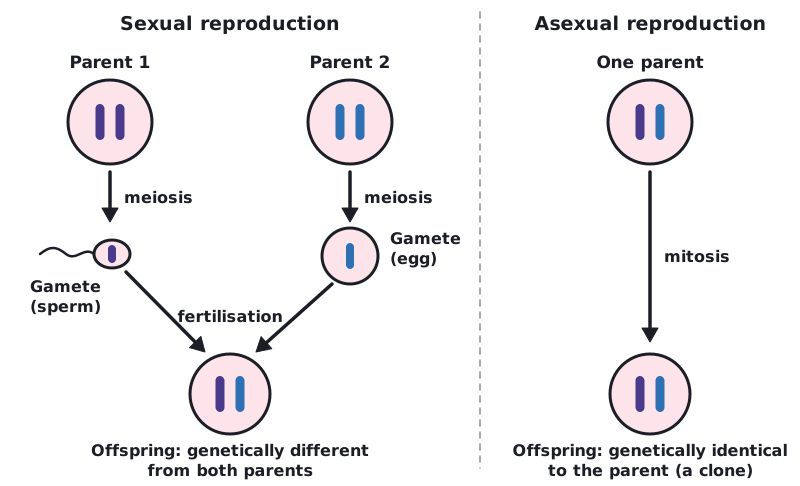
Sexual reproduction involves the joining (fusion) of male and female gametes. In animals the gametes are sperm and egg cells. In flowering plants they are pollen and egg cells.
In sexual reproduction there is mixing of genetic information, which leads to variety in the offspring. The formation of gametes involves meiosis.
Asexual reproduction involves only one parent and no fusion of gametes. There is no mixing of genetic information, so the offspring are genetically identical to the parent. Genetically identical offspring are called clones. Only mitosis is involved.
Meiosis leads to non-identical cells being formed. Mitosis leads to identical cells being formed.
| Sexual reproduction | Asexual reproduction | |
|---|---|---|
| Number of parents | Two | One |
| Fusion of gametes | Yes | No |
| Type of cell division used | Meiosis to make gametes | Mitosis only |
| Mixing of genetic information | Yes | No |
| Offspring | Genetically different from each other and from the parents | Genetically identical to the parent (clones) |
 Tap to enlarge