

Response to exerciseSpec 4.4.2.2
During exercise the human body reacts to the increased demand for energy. The heart rate, breathing rate and breath volume increase during exercise to supply the muscles with more oxygenated blood. This brings more oxygen and glucose to the muscles for respiration.
If insufficient oxygen is supplied, anaerobic respiration takes place in muscles. The incomplete oxidation of glucose causes a build-up of lactic acid and creates an oxygen debt. During long periods of vigorous activity, muscles become fatigued and stop contracting efficiently.
- Exercise increases the demand for energy in the muscles.
- Heart rate, breathing rate and breath volume increase, so more oxygenated blood reaches the muscles.
- If the oxygen supply is still not enough, muscles respire anaerobically.
- Glucose is only partly oxidised, so lactic acid builds up and an oxygen debt is created.
- After long vigorous activity, muscles become fatigued and stop contracting efficiently.
Removing lactic acid and the oxygen debt
Blood flowing through the muscles transports the lactic acid to the liver, where it is converted back into glucose.
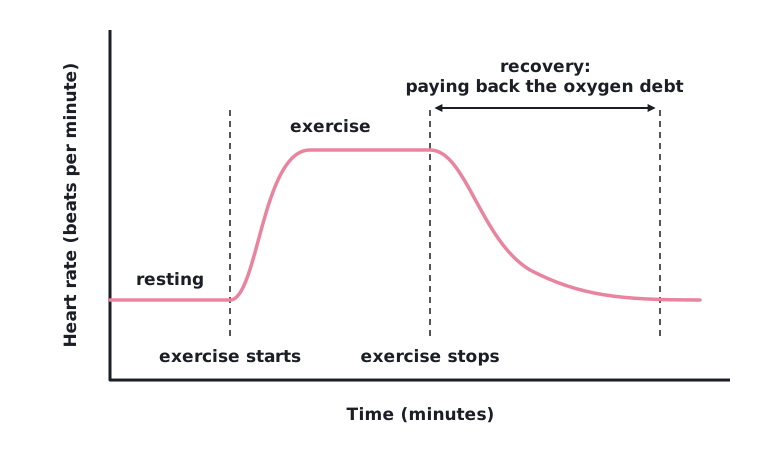
Oxygen debt is the amount of extra oxygen the body needs after exercise to react with the accumulated lactic acid and remove it from the cells. This is why you keep breathing hard, and your heart rate stays high, for a while after you stop.
 Tap to enlarge