

Viral diseasesSpec 4.3.1.2
Measles
Measles is a viral disease. The symptoms are a fever and a red skin rash. It is spread by inhalation of droplets from sneezes and coughs.
Measles is a serious illness that can be fatal if complications arise. For this reason most young children are vaccinated against measles.
HIV
HIV initially causes a flu-like illness. Unless successfully controlled with antiretroviral drugs, the virus attacks the body's immune cells.
Late stage HIV infection, or AIDS, happens when the immune system becomes so badly damaged that it can no longer deal with other infections or cancers.
HIV is spread by sexual contact or by the exchange of body fluids such as blood, which happens when drug users share needles.
Tobacco mosaic virus (TMV)
TMV is a widespread plant pathogen. It affects many species of plants, including tomatoes.
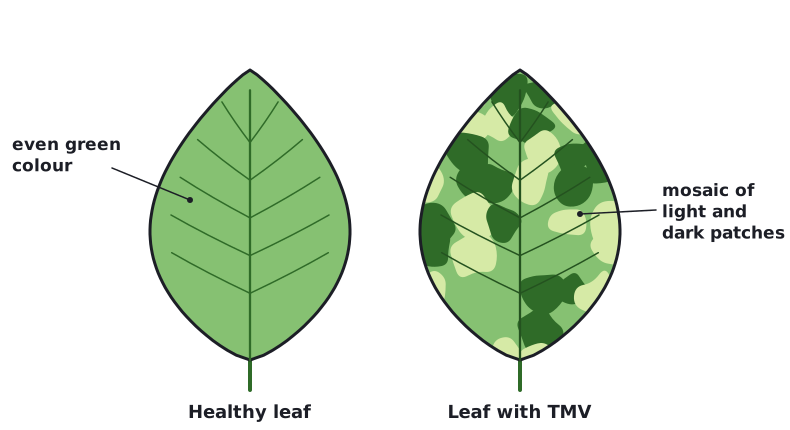
It gives a distinctive mosaic pattern of discolouration on the leaves. This affects the growth of the plant because there is less photosynthesis.
 Tap to enlarge