

DNA and the genomeSpec 4.6.1.4
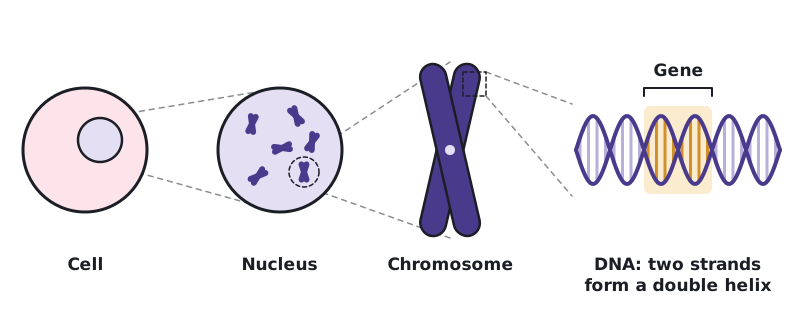
The genetic material in the nucleus of a cell is a chemical called DNA. DNA is a polymer made up of two strands forming a double helix. The DNA is contained in structures called chromosomes.
A gene is a small section of DNA on a chromosome. Each gene codes for a particular sequence of amino acids, to make a specific protein.
- Genome
- The entire genetic material of an organism.
- Gene
- A small section of DNA on a chromosome that codes for a particular sequence of amino acids, to make a specific protein.
- Chromosome
- A structure in the nucleus that contains DNA.
 Tap to enlarge
Why the human genome matters
The whole human genome has now been studied, and this will have great importance for medicine in the future. You need to be able to discuss its importance. This is limited to three areas.
- The search for genes linked to different types of disease. Knowing which genes are involved helps scientists understand diseases.
- Understanding and treatment of inherited disorders. Finding the genes involved in a disorder is the first step towards developing treatments.
- Tracing human migration patterns from the past. Comparing the genomes of different groups of people shows how they are related.