

Detection and identification of plant diseasesSpec 4.3.3.1
Higher tier
Detecting plant disease
Higher tier
Plant diseases can be detected by:
Higher tier
- stunted growth
- spots on leaves
- areas of decay (rot)
- growths
- malformed stems or leaves
- discolouration
- the presence of pests.
Higher tier
Identifying plant disease
Higher tier
Identification can be made by:
Higher tier
- reference to a gardening manual or website
- taking infected plants to a laboratory to identify the pathogen
- using testing kits that contain monoclonal antibodies.
Higher tier
Plant pathogens and pests
Plants can be infected by a range of viral, bacterial and fungal pathogens as well as by insects. Your knowledge of plant diseases is restricted to:
- tobacco mosaic virus as a viral disease
- black spot as a fungal disease
- aphids as insects. Aphids are insect pests that feed on plants.
Ion deficiency conditions
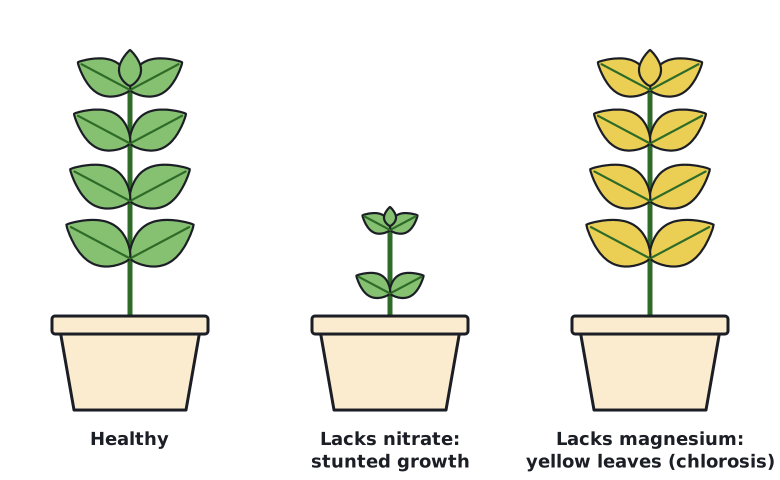
Plants can be damaged by a range of ion deficiency conditions.
| Ion missing | Why the plant needs it | Effect on the plant |
|---|---|---|
| Nitrate | Needed for protein synthesis, and therefore growth | Stunted growth |
| Magnesium | Needed to make chlorophyll | Chlorosis (yellow leaves) |
Knowing about ion deficiencies allows horticulturists to provide the optimum conditions for plants. Your knowledge of ions is limited to nitrate and magnesium.
 Tap to enlarge