

Human defence systemsSpec 4.3.1.6
Non-specific defences
These defences are the same whatever the pathogen. They stop pathogens getting into the body, or kill them before they can cause infection.
| Defence | How it protects |
|---|---|
| Skin | Acts as a physical barrier to pathogens and secretes substances that kill them. |
| Nose | Hairs and mucus trap particles, including pathogens, in the air you breathe in. |
| Trachea and bronchi | Lined with mucus that traps pathogens and cilia (tiny hairs) that move the mucus up to the throat, where it is swallowed. |
| Stomach | Produces hydrochloric acid, which kills pathogens that are swallowed with food, drink or mucus. |
The immune system
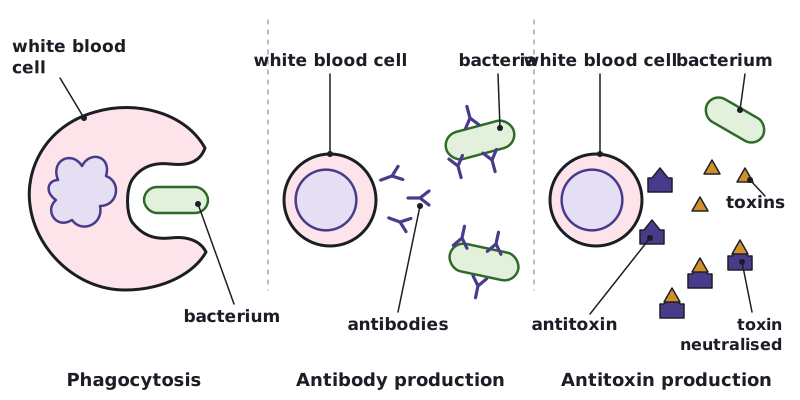
If a pathogen enters the body, the immune system tries to destroy it. White blood cells help to defend against pathogens in three ways.
- Phagocytosis: a white blood cell engulfs the pathogen and digests it.
- Antibody production: white blood cells make antibodies that target a particular pathogen and help to destroy it.
- Antitoxin production: white blood cells make antitoxins that neutralise the toxins released by pathogens.
 Tap to enlarge