

Net gas exchange by day and nightSpec 2.44B
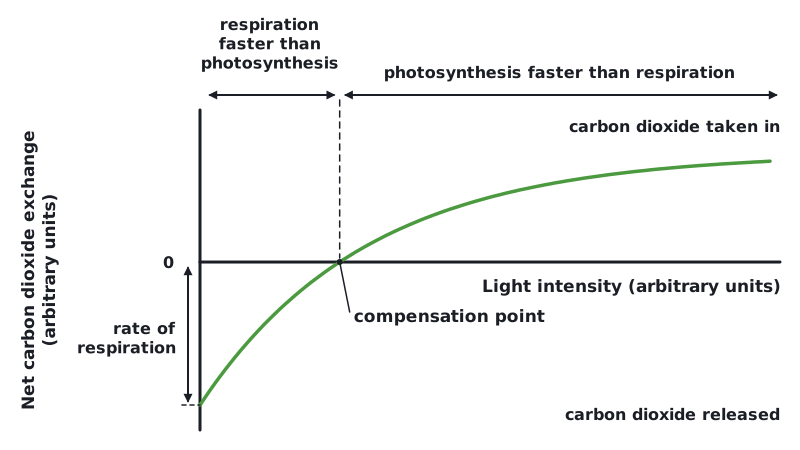
A plant respires all the time. It photosynthesises only when there is light. This means that the net exchange of carbon dioxide and oxygen with the air changes with the light intensity.
| Light | Rate of photosynthesis compared with respiration | Net exchange of carbon dioxide | Net exchange of oxygen |
|---|---|---|---|
| Darkness (night) | No photosynthesis, only respiration | Carbon dioxide released | Oxygen taken in |
| Dim light | Photosynthesis slower than respiration | Carbon dioxide released | Oxygen taken in |
| Compensation point | Photosynthesis equals respiration | None | None |
| Bright light (day) | Photosynthesis faster than respiration | Carbon dioxide taken in | Oxygen released |
At the compensation point the carbon dioxide made in respiration is used up by photosynthesis, and the oxygen made in photosynthesis is used up by respiration. No gas moves in or out overall, but both processes are still happening.
As light intensity rises, the rate of photosynthesis rises while the rate of respiration stays about the same. A graph of net carbon dioxide uptake against light intensity therefore starts below zero (carbon dioxide released), crosses zero at the compensation point, then rises above zero.
 (opens full size in a new tab)
Never say that plants only respire at night. They respire all the time. In the day the carbon dioxide from respiration is simply hidden by faster photosynthesis.