

Vaccination and memory cellsSpec 2.63B
After an infection, some lymphocytes stay in the blood as memory cells. Vaccination uses this to protect a person before they meet the pathogen.
- A person is given a vaccine: a harmless form of the pathogen, such as a dead or weakened one, with its antigens still present.
- The antigens trigger lymphocytes to release antibodies. The person does not become ill.
- The immune system makes memory cells, which stay in the body.
- If the live pathogen enters later, the memory cells recognise it. Antibody production happens sooner, faster and in greater quantity.
- The pathogen is destroyed before it can make the person ill.
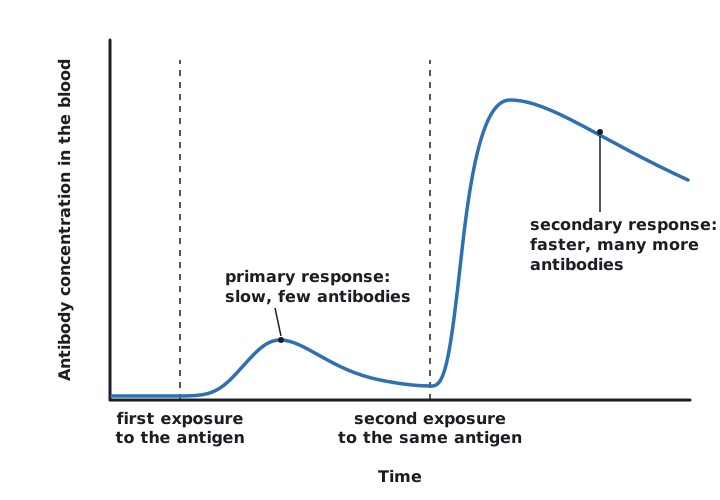 (opens full size in a new tab)
Common mistake:
A vaccine does not put antibodies into the body. It makes your own body produce antibodies and memory cells.