

Male and female reproductive systemsSpec 3.8
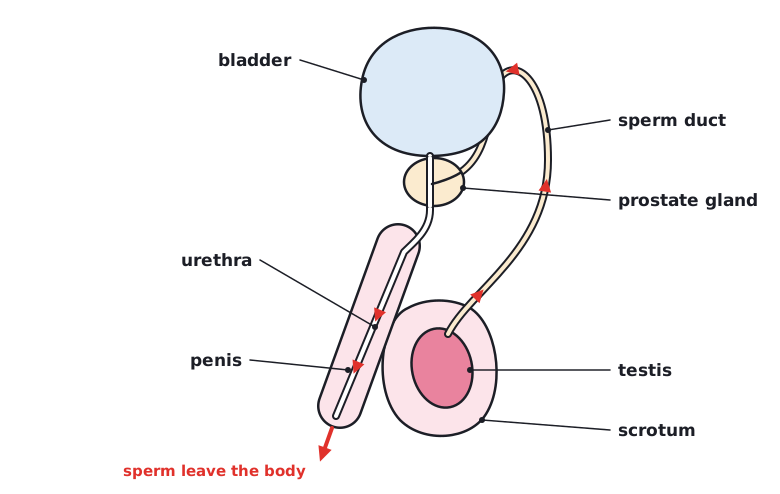
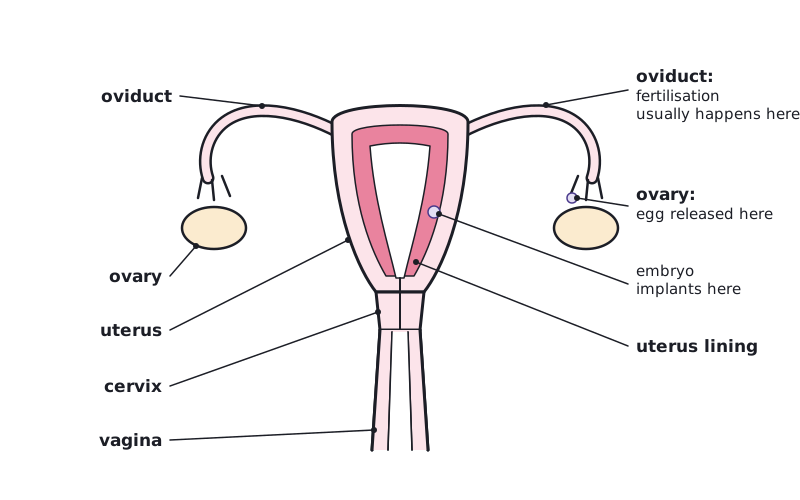
The reproductive systems are adapted for making gametes, bringing the gametes together for fertilisation, and (in females) protecting and nourishing the developing embryo. Sperm are made in the testes and eggs in the ovaries.
 (opens full size in a new tab)
| Part | Function |
|---|---|
| Testes | Make sperm (the male gametes) and the hormone testosterone |
| Scrotum | A bag of skin that holds the testes outside the body, where it is slightly cooler, which is better for sperm production |
| Sperm duct | A tube that carries sperm from each testis towards the urethra |
| Prostate gland | Adds fluid to the sperm to make semen. The fluid gives the sperm a liquid to swim in and contains nutrients |
| Urethra | A tube that carries semen (and urine) through the penis to the outside |
| Penis | Passes sperm into the vagina during sexual intercourse |
 (opens full size in a new tab)
| Part | Function |
|---|---|
| Ovaries | Make eggs (the female gametes) and the hormones oestrogen and progesterone |
| Oviducts | Tubes that carry the egg from the ovary to the uterus. Fertilisation usually happens here. The lining of the oviduct has cilia that move the egg along |
| Uterus | A muscular organ with a soft lining. The embryo implants in the lining and the fetus develops here |
| Cervix | A ring of muscle at the opening of the uterus. It keeps the uterus closed during pregnancy |
| Vagina | Receives the penis and sperm during intercourse. It is also the birth canal |
Exam tip:
Learn each part as ‘name, then job’. Examiners often ask where gametes are made (testes and ovaries) and where fertilisation happens (oviduct).