
The genome, genes and chromosomesSpec 3.14, 3.15
In short
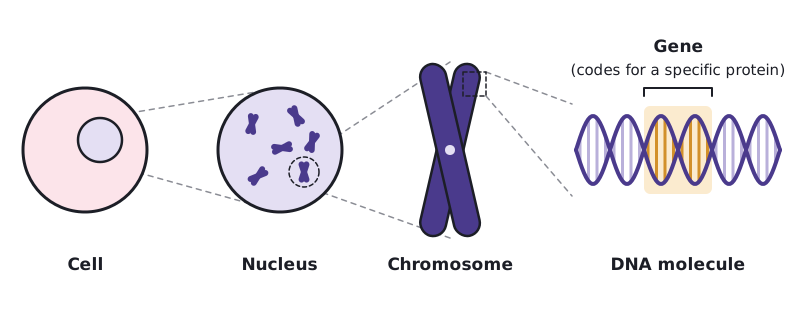
The genome is the entire DNA of an organism. A gene is a section of a molecule of DNA that codes for a specific protein. Genes are located on chromosomes, which are long DNA molecules found in the nucleus. Each gene has a different base sequence, so each codes for a different protein, which helps decide the organism's characteristics.
- Genome
- The entire DNA of an organism.
- Gene
- A section of a molecule of DNA that codes for a specific protein.
- Chromosome
- A long molecule of DNA, found in the nucleus, on which genes are located.
The nucleus of a cell contains chromosomes. Each chromosome is one very long DNA molecule, and many genes are located along it.
The genome includes all of the genes of an organism, as well as the rest of its DNA. A gene is a short section of the DNA. Each gene has a different sequence of bases, so each gene codes for a different protein.
Proteins do most of the work in a cell. Enzymes are proteins, for example. So the genes in a cell decide which proteins it can make, and that helps to decide the characteristics of the organism.
| Structure | What it is |
|---|---|
| Nucleus | The part of the cell that contains the chromosomes |
| Chromosome | A long DNA molecule with many genes along it |
| Gene | A section of DNA that codes for one specific protein |
| Genome | All of the DNA of the organism |
 (opens full size in a new tab)
Use the exact wording. A gene codes for a specific protein, and the genome is the entire DNA, not just the genes.
Genes are located on chromosomes, which are in the nucleus. Do not say that chromosomes are found inside genes.
Written and checked against the Edexcel IGCSE Biology (4BI1) specification · Updated October 2026