
Bacteria and yoghurtSpec 5.7
In short
Yoghurt is made by adding the bacterium Lactobacillus to pasteurised, cooled milk and incubating it at about 40–45 °C. The bacteria respire the milk sugar lactose and make lactic acid. The acid lowers the pH, making the milk proteins clump so the milk thickens and tastes sour, and stops many other micro-organisms growing.
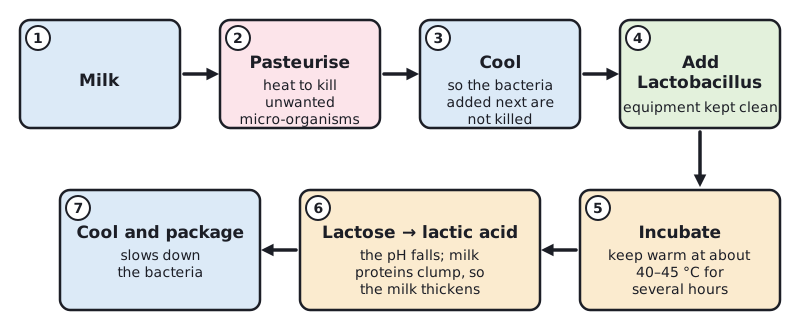
Yoghurt is made from milk using the bacterium _Lactobacillus_. The bacteria respire the sugar in milk, called lactose, and make lactic acid.
- The milk is heated to a high temperature (pasteurised) to kill unwanted micro-organisms. It is then cooled.
- Lactobacillus is added to the milk. The equipment is kept clean so that other bacteria do not get in.
- The mixture is incubated (kept warm), at about 40–45 °C, for several hours, so the bacteria grow and respire.
- The bacteria turn lactose into lactic acid. The pH falls, and the acid makes the milk proteins clump together, so the milk thickens and gets a sour taste. The low pH also stops many other micro-organisms growing, so the yoghurt keeps for longer.
- The yoghurt is cooled to slow down the bacteria, then packaged.
 (opens full size in a new tab)
Common mistake:
The acid is made from lactose, not from the milk fat or protein. The acid is what thickens the milk, by making its proteins clump.
Written and checked against the Edexcel IGCSE Science Double Award (4SD0) specification · Updated October 2026