

Smoking, the lungs and the circulatory systemSpec 2.49
Tobacco smoke contains many harmful substances. The three you need to know about are tar, carbon monoxide and nicotine.
| Substance | Effect |
|---|---|
| Tar | Contains carcinogens (chemicals that cause cancer), so increases the risk of lung cancer. Also damages the airway lining. |
| Carbon monoxide | Combines with haemoglobin in red blood cells, so they carry less oxygen. The heart has to work harder to supply the body with oxygen. |
| Nicotine | An addictive drug. It increases heart rate and blood pressure. |
Effects on the lungs
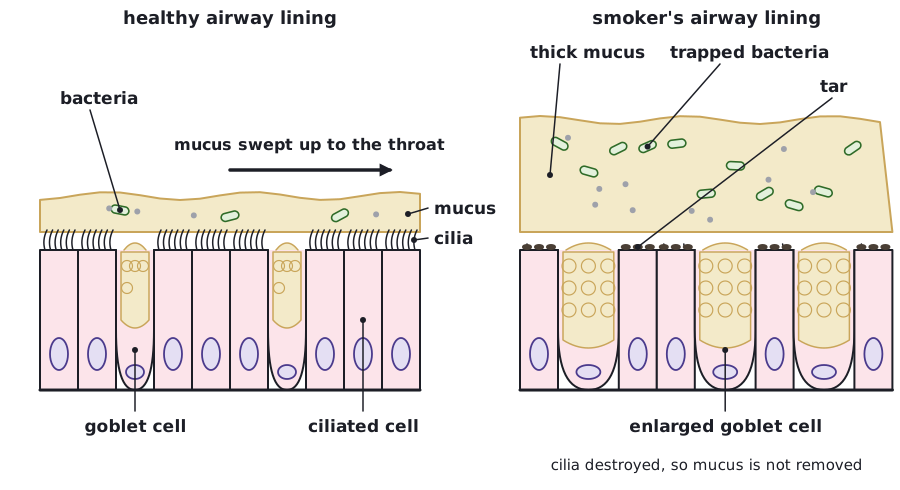
- The airways are lined with ciliated cells, which have tiny hairs (cilia), and goblet cells, which make mucus. Mucus traps dust and bacteria, and the cilia sweep it up to the throat.
- Tar damages and destroys the cilia, so mucus and the microorganisms in it stay in the airways. This causes infections and a smoker's cough.
- Chronic bronchitis: smoke irritates the airways, so goblet cells make more mucus. The airways become inflamed and blocked with mucus, which makes breathing difficult.
- Emphysema: the walls of the alveoli break down, so the surface area for gas exchange is much smaller. The person is short of breath.
- Lung cancer: carcinogens in tar can make lung cells divide out of control and form a tumour.
Effects on the circulatory system
Smoking raises the risk of coronary heart disease. In this disease the coronary arteries, which supply the heart muscle with oxygenated blood, become narrowed by fatty deposits. Less blood reaches the heart muscle, so it gets less oxygen. If a coronary artery is completely blocked, part of the heart muscle is starved of oxygen and a heart attack results.
Smoking makes this more likely. Chemicals in smoke and raised blood pressure damage the lining of the arteries, so fatty deposits build up more easily and blood clots are more likely to form. Nicotine raises heart rate and blood pressure, and carbon monoxide reduces the oxygen carried by the blood, so the heart has to work harder.
Name the substance, then state its effect. 'Smoking damages the lungs' gains nothing: say that tar destroys the cilia, so mucus is not removed.
 (opens full size in a new tab)